

Euro, dollar values same after two decades
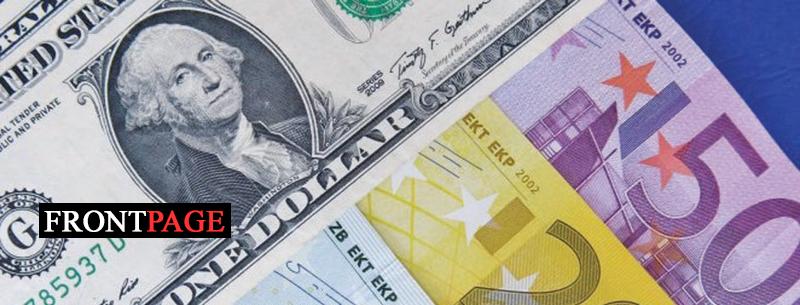
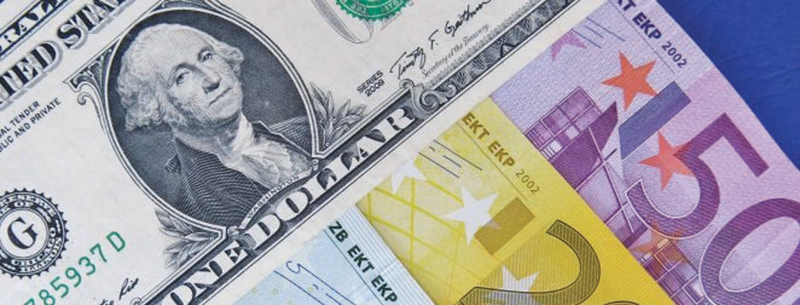
For the first time in nearly two decades, the exchange rate between the euro and the dollar is roughly the same.
The unusual event is a boon to U.S. tourists in Europe, but not so good for Europeans visiting the U.S.
The parity in the two currencies comes after the euro plunged nearly 20% in value over the past 14 months compared to the U.S. dollar.
The euro was created on Jan. 1, 1999, nearly six years after the Maastricht Treaty established the European Union itself. But during its first three years, the euro was an “invisible currency” that was only used for accounting purposes.
Then, in 2002, notes and coins officially began to circulate. In the decades since, the euro has continually traded above the dollar, even reaching a value of $1.60 per euro during the financial crisis of 2008. And over the past decade, one euro has been worth, on average, $1.18, according to Federal Reserve data.
This year, however, the U.S. dollar has gained against most major currencies, as the Fed’s interest rate hikes have made the greenback a safe haven for investors worldwide looking to protect against surging global inflation.
For Americans, the dollar’s rise should help to ease the pain caused by four-decade high inflation, but for Europeans, the sinking value of the euro will make traveling more difficult and exacerbate the effect of rising consumer prices.