

Europe’s healthcare creaks under Omicron’s rapid spread
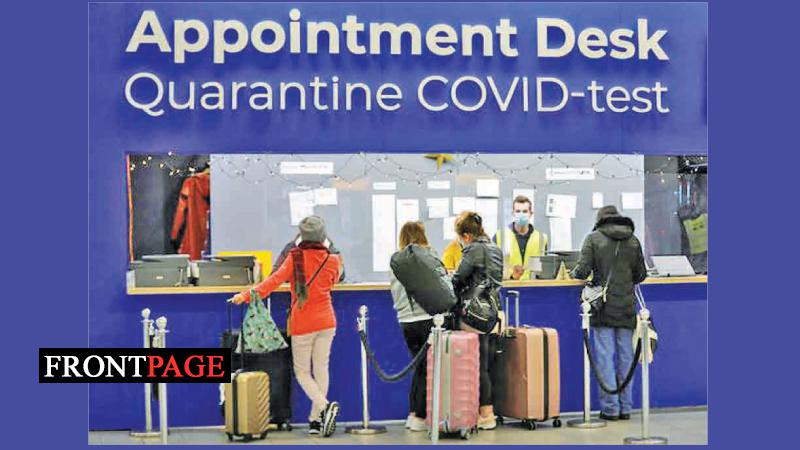
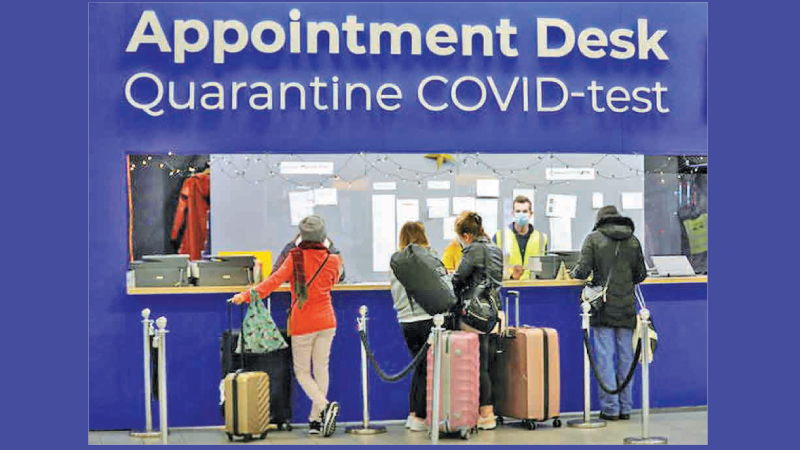
UK: Europe’s healthcare systems are being strained once again by the rapid spread of the Omicron variant of the coronavirus over the holiday period, with large numbers of key staff ill or self-isolating and experts predicting the peak of infections is yet to come.
Despite early studies showing a lower risk of severe disease or hospitalisation from Omicron compared to the previously-dominant Delta variant, healthcare networks across Spain, Britain, Italy and beyond have found themselves in increasingly desperate circumstances.
Britain began deploying military personnel to support hospitals experiencing staff shortages and extreme pressures due to record COVID-19 cases in the country.
“Omicron means more patients to treat and fewer staff to treat them,” National Health Service (NHS) Medical Director Professor Stephen Powis said in a statement.
In the United States, hospitals are postponing elective surgeries to free up staff and beds, while Spain’s primary healthcare network is so strained that on the penultimate day of 2021 authorities in the northeastern region of Aragon authorised the reincorporation of retired medical workers and nurses. In the Netherlands, infection rates are also rising sharply among hospital staff, particularly nurses and nursing assistants, Dutch daily De Telegraaf reported on Friday, following a survey of eight major hospitals.
In the worst cases, one in four tested positive in the run-up to Christmas, as in Amsterdam’s University Medical Centre where 25% of staff are now testing positive, compared to 5% a week ago.
In a last-ditch bid to plug gaps in the service, Italian health agencies are freezing staff holidays, deferring them to other periods, and freezing or postponing scheduled surgeries not classified as “urgent”.
An average of around 80,000 medical staff were absent from work every day in the week to January 2 – the most recent period for which data is available – a 13 per cent rise on the previous week, according to NHS England. Almost half of those absences, or 44 per cent, were due to COVID-19, a rise of more than fifth from the week earlier. – THE MALAY MAIL