


Over 30,000 identified in landslide high-risk areas: NBRI
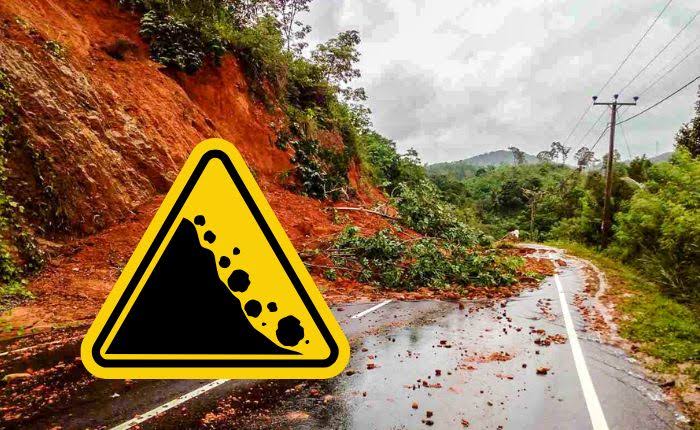
More than 30,000 people living in high-risk areas have been identified and notified of potential landslide threats, while residents in medium-risk areas have also been alerted, a senior scientist at the National Building Research Institute (NBRI) said.
Wasantha Senadheera, senior geologist at the NBRI, warned that heavy rainfall following Cyclone Ditwah had increased the risk of landslides in several areas.
He said signs of potential landslides had been observed in several locations, while rocks and soil loosened or displaced during the Ditwah disaster could become unstable and slide due to the current heavy rainfall.
Senadheera urged residents, particularly those living in landslide-prone areas, to remain alert to their surroundings regardless of whether the Department of Meteorology or the NBRI had issued warnings.
He advised the public to follow safety instructions and pay attention to warning signs, including unusual sounds, prolonged heavy rainfall and cracks in the ground or structures.
Landslide alerts have been issued for several areas in Kandy, Nuwara Eliya, Ratnapura, Badulla and Kegalle districts following heavy rainfall.
Senadheera made these remarks during a special government media briefing on the prevailing weather conditions.
Meanwhile, Department of Meteorology Forecasting Division Director Merril Mendis said a low-pressure area that had developed near Sri Lanka was located northwest of the island and was most likely to move westward.
The system was expected to bring heavy rainfall exceeding 100 millimeters to the Western, Sabaragamuwa, Central, North Western and Northern provinces, as well as the Galle and Matara districts, he said.
The effects of the low-pressure area were expected to continue in these regions throughout the following day, while rainy conditions were likely to persist for several more days.
Mendis attributed the continuing unsettled weather to the Intertropical Convergence Zone, a belt of low pressure near the equator where the northeast and southeast trade winds converge. The zone can contribute to the development of weather systems, including low-pressure areas.
Another low-pressure system is likely to develop near the Andaman Islands by Oct. 23, he said.
Although the system was not expected to have a direct impact on Sri Lanka, rainfall could continue until about Oct. 27 as winds move across the island, Mendis said.
Naval personnel and fishing communities have been warned to exercise caution when venturing to sea over the next few days, particularly in the Bay of Bengal, he added. (Newswire)
The post Over 30,000 identified in landslide high-risk areas: NBRI appeared first on Newswire.